![反応制御学研究室[大野研究室 / Ohno LAB.]](https://www.ironmaking.kyushu-u.ac.jp/wp/wp-content/uploads/2025/04/スクリーンショット-2025-04-07-16.54.15.png)
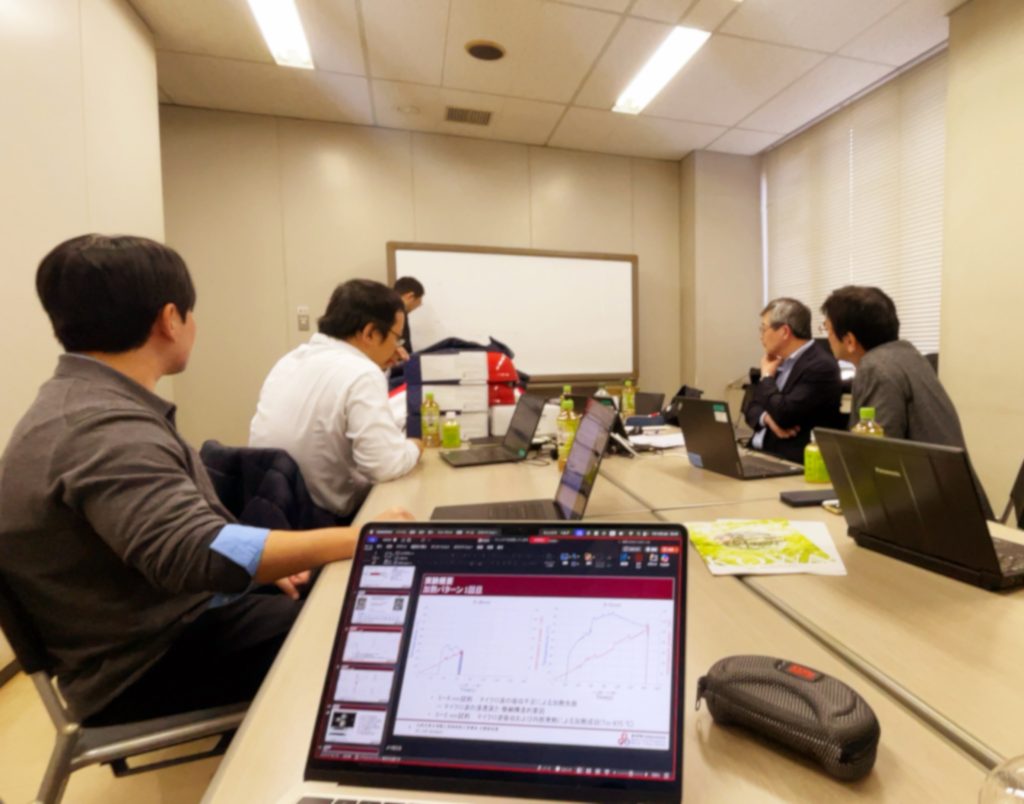
2026年1月14日、日本製鉄との共同研究の一環として、
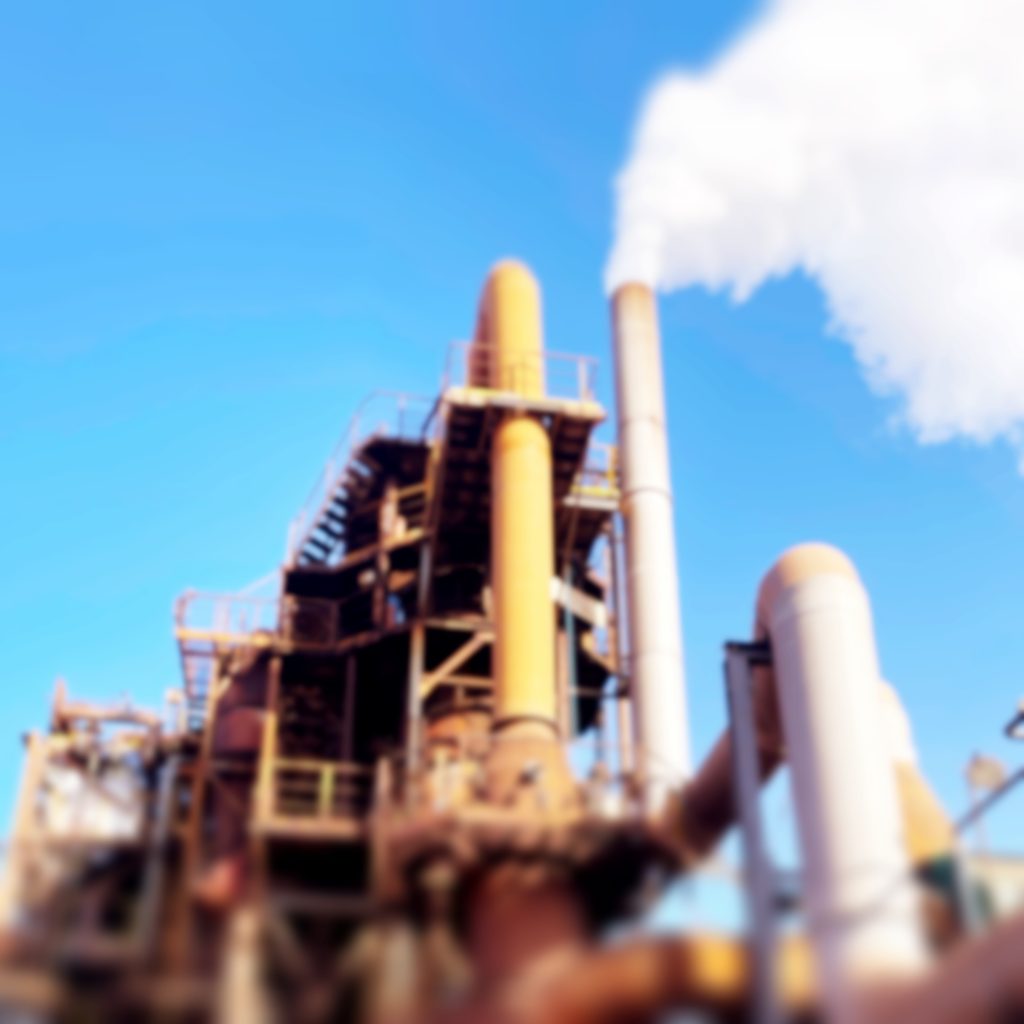
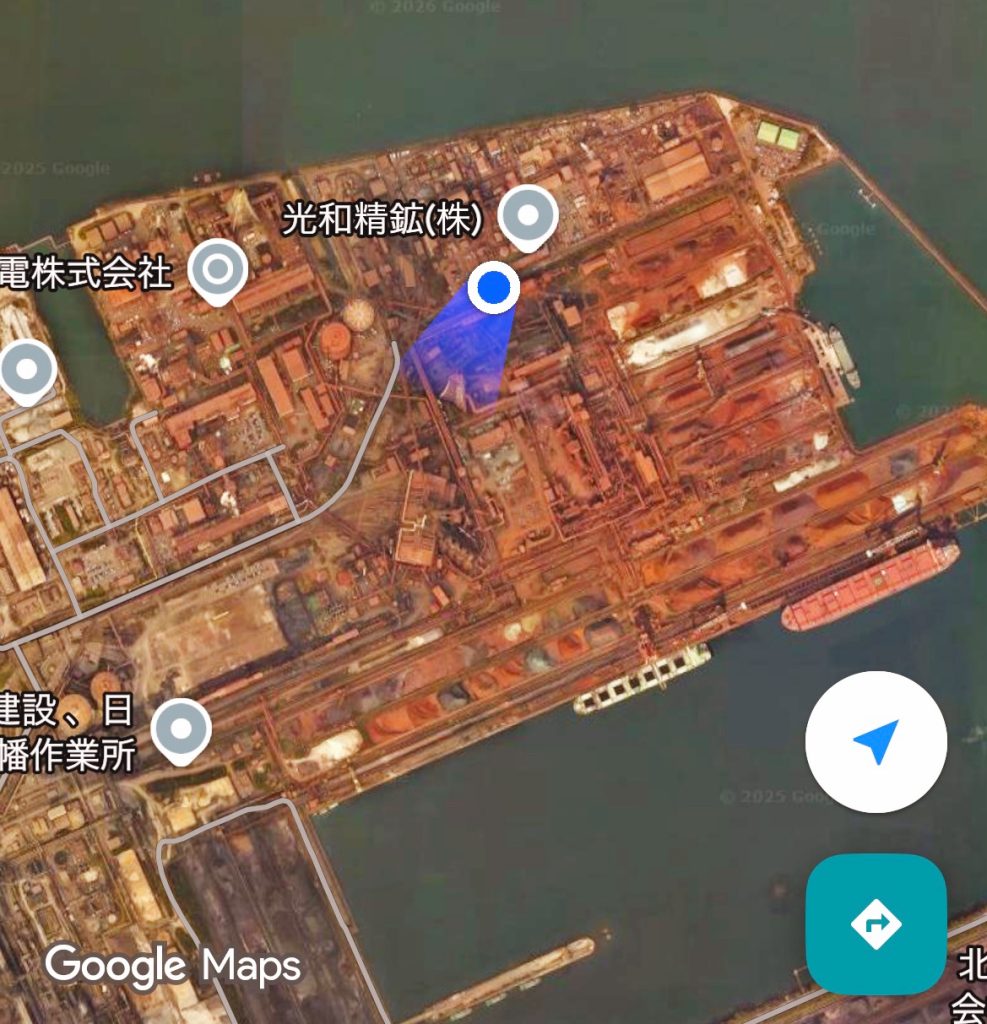
日本製鉄 九州製鉄所構内にある 光和精鉱株式会社 を見学しました。
今回の見学の目的は、電気炉(EAF)ダスト処理に関わる現在の産業プロセスを実地で学ぶことです。
研究室での実験や解析だけでなく、実際に稼働しているプロセスを自分の目で見ることは、
学術研究と社会実装を結びつけるうえで非常に重要な経験になります。
光和精鉱は、もともと国産の硫化鉄鉱石を高炉プロセスに適した原料へと改質することから事業をスタートし、
現在では 塩化処理を基盤とした独自のプロセス技術 を強みとしています。
乾式製錬と湿式製錬を高度に組み合わせた統合プロセスは、
普段製銑プロセスを中心に研究している立場から見ても非常に印象的でした。
こうした複雑な実操業プロセスから得られる知見は、
実験室レベルの研究だけでは決して得られないものです。
今回の見学を通して、資源回収・リサイクル・脱炭素技術の研究において、
基礎研究と実操業をつなぐ視点の重要性を改めて実感しました。
Screenshot
On January 14, 2026, as part of a collaborative research project with Nippon Steel,
we had the opportunity to visit Kowa Seiko Co., Ltd., located within the Kyushu Works of Nippon Steel.
The main purpose of this visit was to gain a deeper understanding of current industrial processes related to Electric Arc Furnace (EAF) dust treatment.
Seeing real operating facilities provides invaluable insights that cannot be obtained from laboratory experiments alone and plays a crucial role in connecting academic research with industrial implementation.
Kowa Seiko originally started its business by upgrading domestic sulfide iron ores into materials suitable for blast furnace processes.
Today, the company has developed strong expertise in chlorination-based process technologies, integrating complex dry and wet metallurgical operations.
From the perspective of researchers mainly working on ironmaking processes,
the highly integrated combination of dry and wet metallurgy was particularly impressive.
Such exposure to real industrial systems highlights the importance of understanding full-scale processes when addressing challenges in recycling, resource recovery, and decarbonization.
