![反応制御学研究室[大野研究室 / Ohno LAB.]](https://www.ironmaking.kyushu-u.ac.jp/wp/wp-content/uploads/2025/04/スクリーンショット-2025-04-07-16.54.15.png)
― R6年度 AD会議(対面開催)および実機見学 ―
2026年2月6日、環境研究総合推進費(ERCA)プロジェクト
「空間電力合成マイクロ波加熱を利用した有機廃棄物の高速炭化システムの開発」
の 令和6年度アドバイザリー委員会(AD)会議 を開催しました。
本プロジェクトではこれまでオンラインでの会議が中心でしたが、
本年度は初めての対面開催 となり、研究最終年度を迎える節目として、
実機を前にした議論が行われました。
分野横断で「有機廃棄物を反応として扱う」研究
本研究は、空間電力合成マイクロ波加熱により高強度マイクロ波電磁場を形成し、
有機廃棄物(バイオマス、廃プラスチック等)を
超高速で熱分解・炭化・資源化 するプロセスの構築を目的としています。
マイクロ波を単に「加熱手段」として用いるのではなく、
電磁場分布・伝熱・反応速度を同時に設計対象とする反応プロセスとして捉え、
スケールアップや実装を見据えた研究を進めています。
部局横断型研究体制
本プロジェクトには、本研究室も構成メンバーとして参画しており、
以下のような 分野横断型の研究体制 により推進されています。
-
農学部:バイオマス・有機廃棄物の特性評価
-
総合理工学研究院(永長 久寛 教授):
マイクロ波応答性触媒の設計および反応制御
-
工学部:反応工学、伝熱、プロセス設計、装置スケールアップ
それぞれの専門を持ち寄り、
「どの反応を、どこで、どの速度で起こすか」 を
装置レベルで議論・検証しています。
AD会議当日の内容
当日は、
-
椿俊太郎 准教授(農学部) が開発された
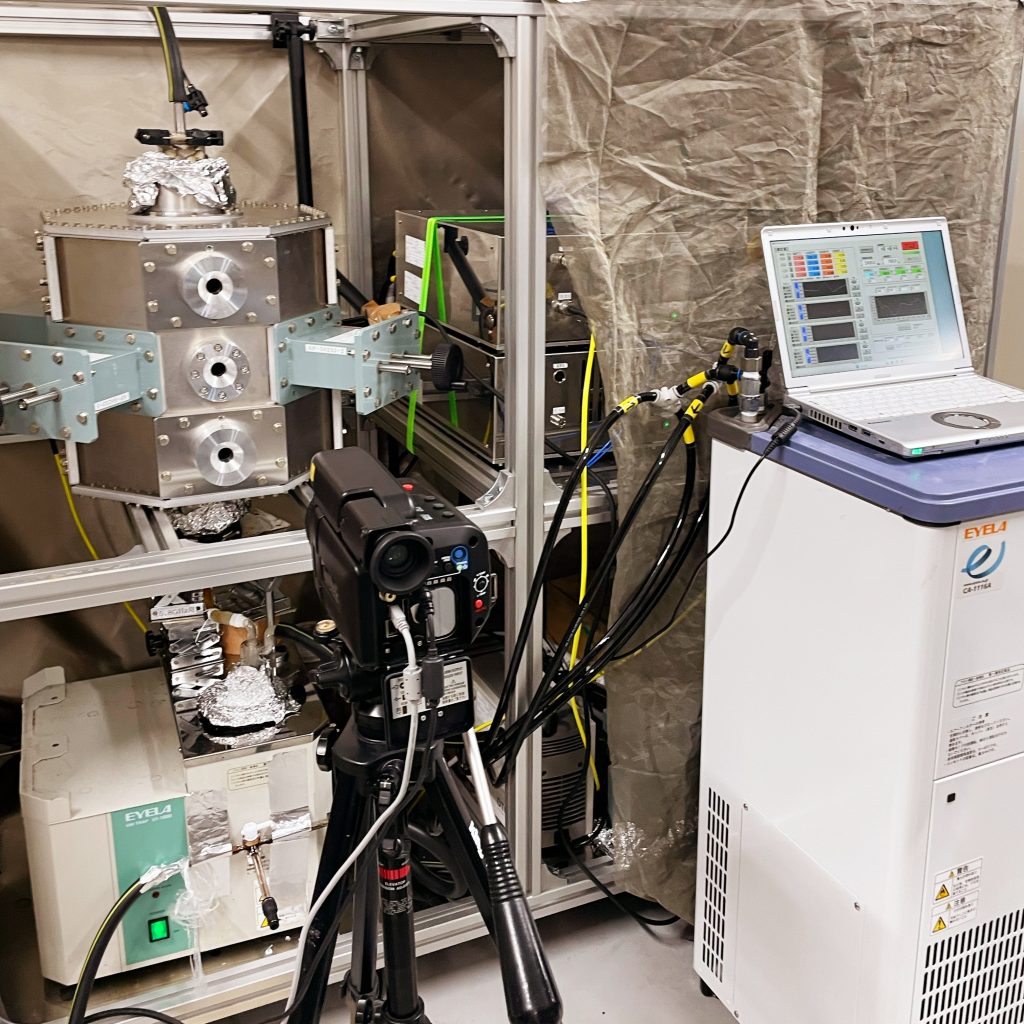
空間合成型マイクロ波有機廃棄物分解炉 の実機見学
-
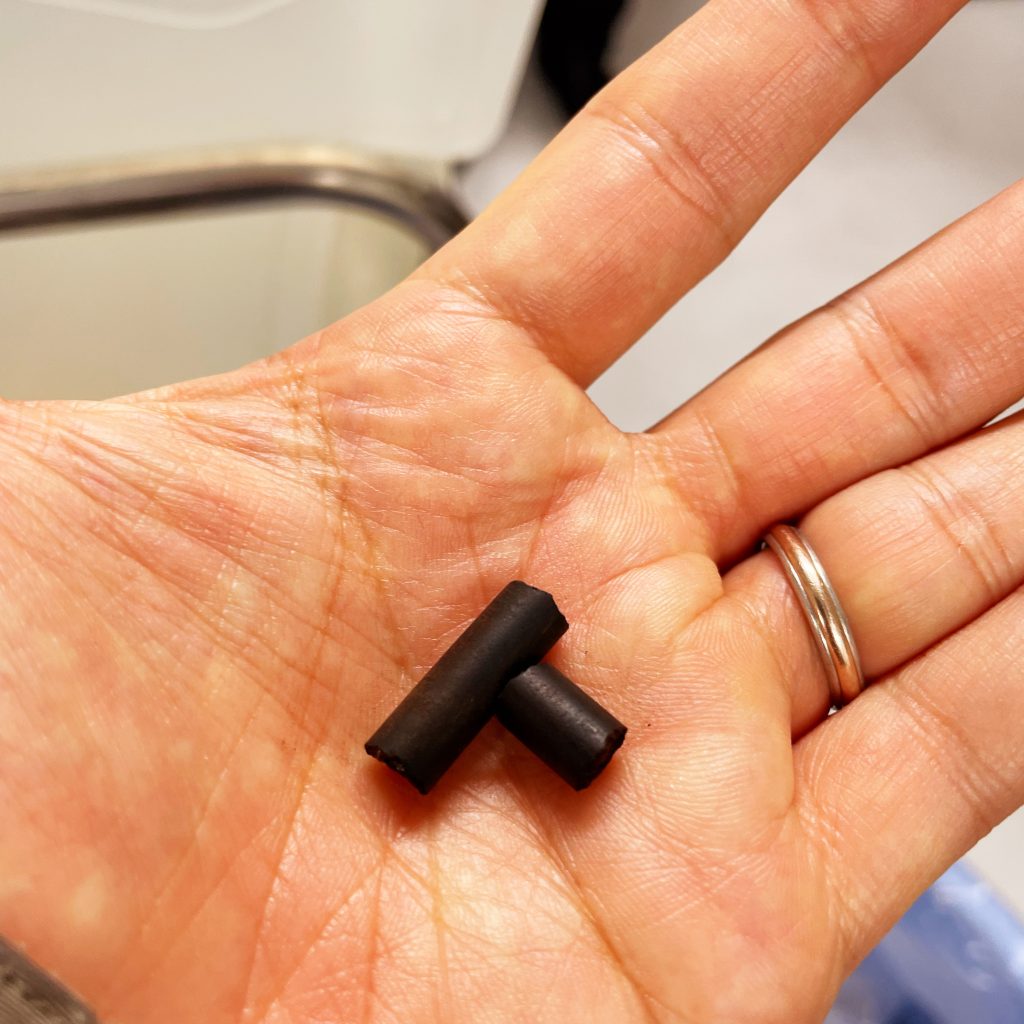
コーヒーがらペレットを用いたマイクロ波熱分解の実演
-
実機を前にした加熱挙動・エネルギー効率・スケールアップに関する討議
を行いました。
装置の構造や挙動を直接確認しながらの議論は、
オンライン会議では得られない具体的な示唆をもたらし、
研究最終年度に向けた課題整理と成果の取りまとめに大きく貢献しました。
学生のみなさんへ
本研究室では、
-
マイクロ波加熱
-
触媒反応
-
反応工学・伝熱
-
実験装置の設計・運転
といったテーマを、分野横断的かつ実践的に学ぶことができます。
「実験が好き」「装置を触りたい」「反応をプロセスとして理解したい」
そんな学生のみなさんには、ぜひ一度研究内容を知ってもらいたいテーマです。
研究室見学・相談はいつでも歓迎しています。
Research on Reaction-Based Conversion of Organic Waste Using Space-Power-Synthesized Microwaves
— FY2024 Advisory Committee Meeting and On-site Demonstration —
On February 6, 2026, we held the FY2024 Advisory Committee (AD) meeting for the ERCA-funded project
“Development of a High-Speed Carbonization System for Organic Waste Using Space-Power-Synthesized Microwave Heating.”
While previous AD meetings were conducted mainly online, this year marked the first on-site meeting, which was particularly significant as the project enters its final year.
The meeting provided an opportunity for in-depth discussions in front of the actual experimental equipment.
Treating Organic Waste as a Reaction System
This project aims to establish a process for the ultra-fast pyrolysis, carbonization, and resource recovery of organic waste—including biomass and waste plastics—by generating high-intensity electromagnetic fields through space-power-synthesized microwave heating.
Rather than using microwaves merely as a heating source, we treat them as a core element of reaction process design, simultaneously considering electromagnetic field distribution, heat transfer, and reaction kinetics.
This approach enables discussions on scalability and practical implementation from an early research stage.
Interdisciplinary Research Framework
Our laboratory participates in this project as a core research member, working within a cross-departmental collaboration involving:
-
Faculty of Agriculture: characterization of biomass and organic waste materials
-
Faculty of Engineering Sciences (Prof. Hisahiro Einaga):
catalyst design and reaction control under microwave irradiation
-
Faculty of Engineering: reaction engineering, heat transfer, and process and reactor design
By integrating these areas of expertise, we systematically investigate
“which reactions should occur, where they occur, and at what rate,”
directly at the reactor and process level.
Activities during the Advisory Committee Meeting
During the meeting, we conducted:
-
An on-site inspection of the space-power-synthesized microwave reactor developed by
Prof. Shuntaro Tsubaki (Faculty of Agriculture)
-
A live microwave pyrolysis demonstration using coffee-ground pellets
-
Technical discussions on heating behavior, energy efficiency, and scale-up strategies
Discussing experimental results directly in front of the operating reactor provided insights that are difficult to obtain through online meetings, contributing significantly to identifying remaining challenges and consolidating results toward the final year of the project.
For Prospective Students
Our laboratory offers opportunities to study and conduct hands-on research in areas such as:
-
microwave heating processes
-
catalytic reactions
-
reaction engineering and heat transfer
-
experimental reactor design and operation
Through interdisciplinary collaboration and real experimental systems, students can gain a deep and practical understanding of reaction-based process engineering.
Students interested in experiments, reactors, and process-oriented research are always welcome to contact us for laboratory visits or informal discussions.
